 HopeLynx
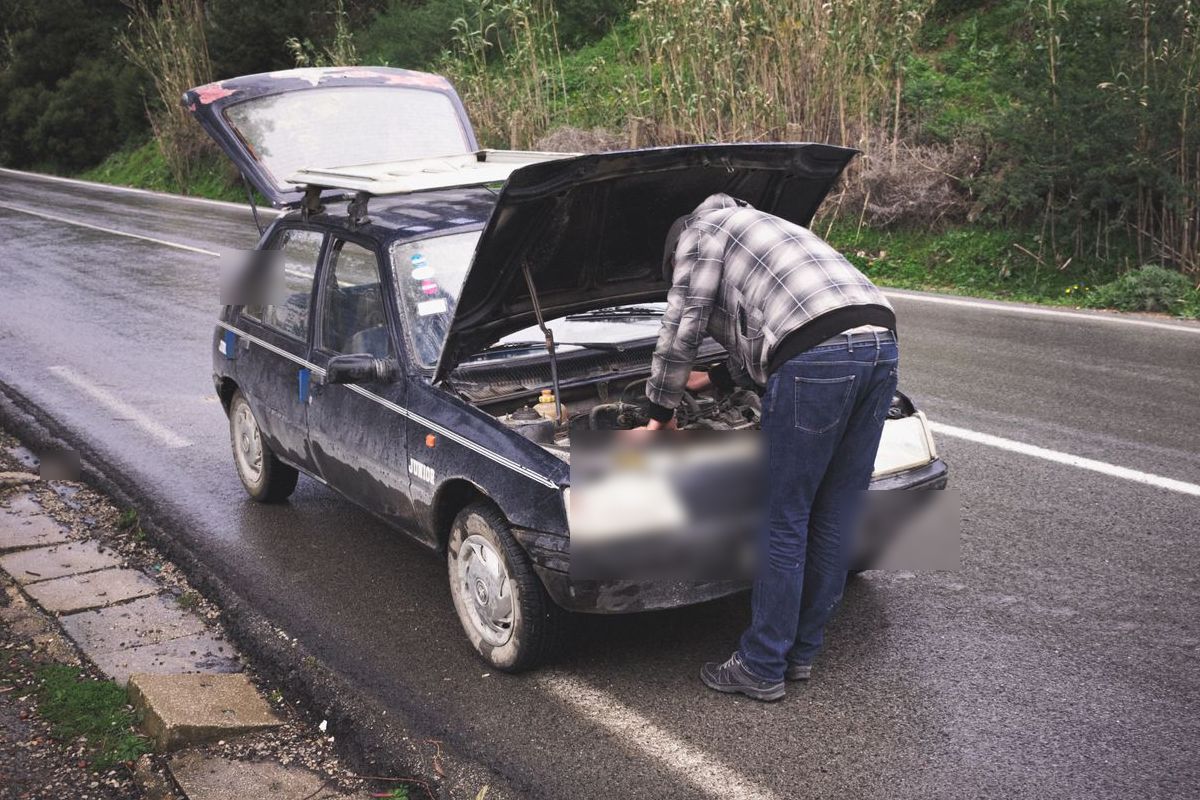
An accident is stressful, and it is easy to forget the details you will need later. A clear record made at the time helps with insurers, with your own management, and with learning from what happened. This is general guidance, not legal advice. Follow your insurer's instructions and the advice of the authorities.
Safety comes first
Check that everyone is safe, get people away from traffic, and switch on the hazard lights. If anyone is hurt, call the emergency services first. Records can wait. People cannot.
Stay calm and keep to the facts
At the scene, avoid arguments about who is to blame. Stick to what happened, and do not sign anything you do not understand. Fault is for insurers and the authorities to decide.
Record the basics
- The date, the time and the exact place, with a landmark.
- The weather, the light and the condition of the road.
- The vehicle registration, description and the number of people on board.
- What you were doing, and in what direction you were travelling.
Collect the other party's details
Write down the name and phone number of each driver involved, the vehicle registration and description, and the name of their insurance company and policy number if they will share it. Take a photo of any document they show you, with their permission.
Take photos
- All four sides of each vehicle.
- Close-ups of the damage.
- The road, the position of the vehicles and any marks on the road.
- Number plates, road signs and lights nearby.
Note the witnesses
If people saw what happened, ask for their name and phone number. A witness who is easy to reach later can make a real difference.
Report promptly
Tell your supervisor or fleet manager straight away, and report to your insurer as soon as you can. Check your policy for any time limit. If the authorities attend, note the station and any report number.
Write it down while it is fresh
Memory fades quickly. Write the full account the same day, in order, in plain words. A printed form in every vehicle, like the one below, makes sure nothing is missed when your mind is elsewhere.
Afterwards, learn from it
Once things are settled, ask why it happened. Was it the road, a fault, tiredness, speed, or a gap in training? Record what you will change, share the lesson with your drivers, and note the incident in the vehicle's file.
Where we can help
If a vehicle cannot be driven, our roadside assistance and towing can get it moving again, and our repair team can get it back to full working order. Fleet Command Hub has an incident tracker that keeps every report, with its photos and actions, in one place.
Keep a form in every vehicle.
Need help on the road? HopeLynx offers roadside assistance and towing.
See roadside assistance