 HopeLynx
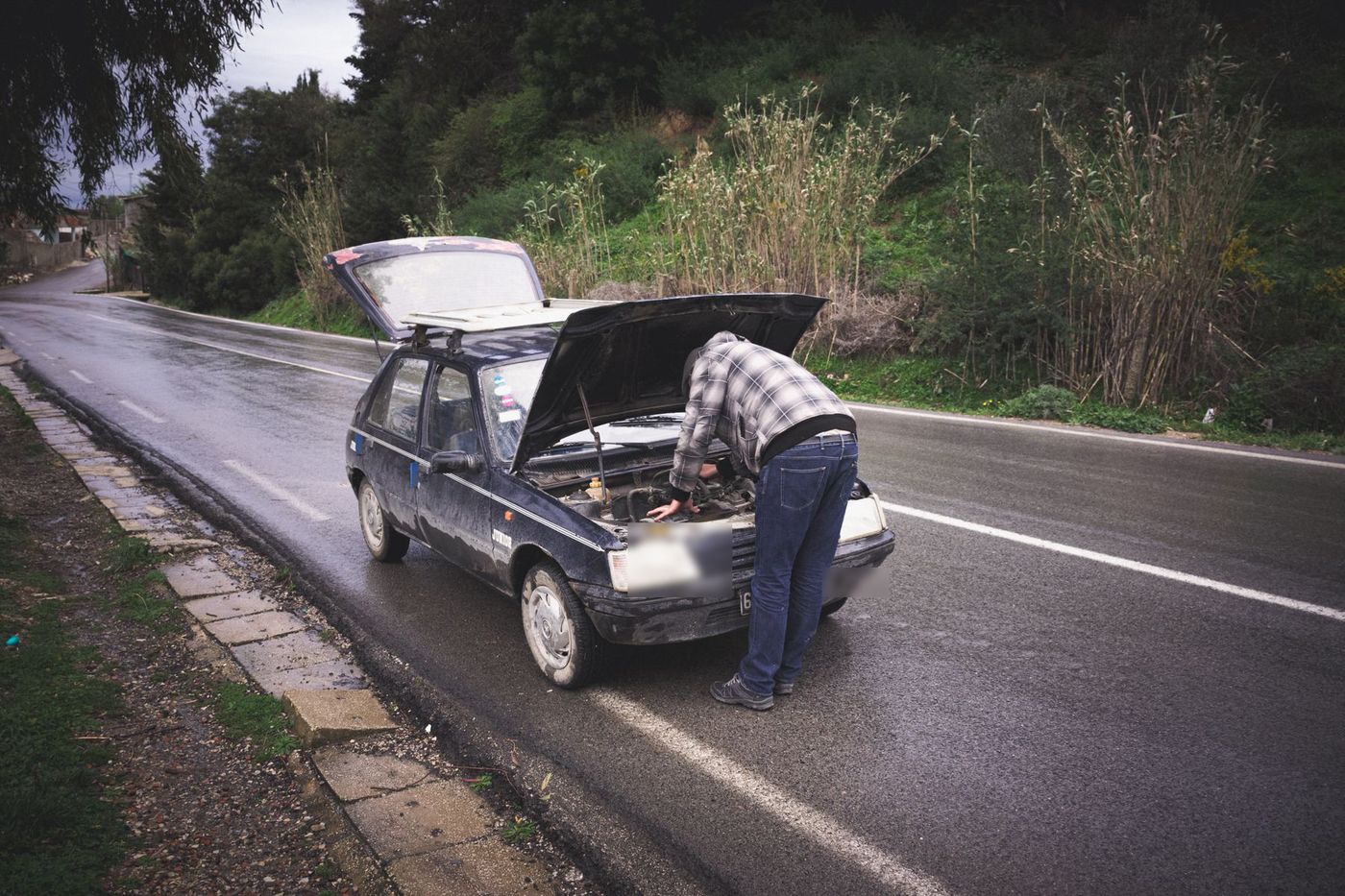
A breakdown can happen to any vehicle, however well it is looked after. What you do in the first few minutes matters most, and the first priority is always safety.
1. Get to safety
If the vehicle is still moving, steer it as far off the road as you safely can. Put the hazard lights on. Avoid stopping on a bend, at the top of a hill or anywhere other drivers cannot see you in time.
2. Make yourself visible
If it is safe to do so, place a warning triangle some distance behind the vehicle, so approaching drivers have time to slow down. At night or in poor light, visibility matters even more.
3. Look after the people in the vehicle
On a busy road, get passengers out on the side away from traffic and have them wait somewhere safe, well clear of the road. Never stand between the vehicle and moving traffic.
4. Call for help
Be ready to describe where you are, which direction you were heading, the vehicle and what happened, and how many people are with you. If you have a roadside assistance provider, call them first.
5. Do not attempt risky repairs
Simple fixes can wait until you are somewhere safe. Changing a wheel or lifting the bonnet beside a busy road puts you in danger. If in doubt, wait for help.
6. Keep an emergency kit in every vehicle
- Warning triangle.
- Torch and spare batteries.
- Jack and wheel spanner, and a good spare tyre.
- Jump leads.
- Drinking water.
- A phone charger for the vehicle.
- A first aid kit.
7. Afterwards, find the cause
Once the vehicle is recovered, have the fault properly diagnosed and fixed, and note what happened in the vehicle's record. Most breakdowns have warning signs. A regular preventive maintenance routine is the best way to avoid the next one.
A few special situations
- At night. Use every light you have, stay well away from the traffic lane, and keep passengers together and clear of the road.
- On a fast road or highway. Speeds are higher and drivers have less time to react, so getting everyone to a safe place away from the road is even more important than the vehicle.
- If you are alone and do not feel safe. Stay inside with the doors locked and call for help, and tell the person you called exactly where you are.
Make sure every driver in your team knows these steps and has the number to call before they need it.
Catch problems before they strand a vehicle.
Need help on the road? We offer breakdown response, towing and recovery.
See roadside assistance